
Why Small-Batch Microbrand Watches Are Having a Moment
Microbrand watches have grown from a niche hobby corner into a serious part of the watch industry. Here's what's driving it, and where DeMarco fits in.
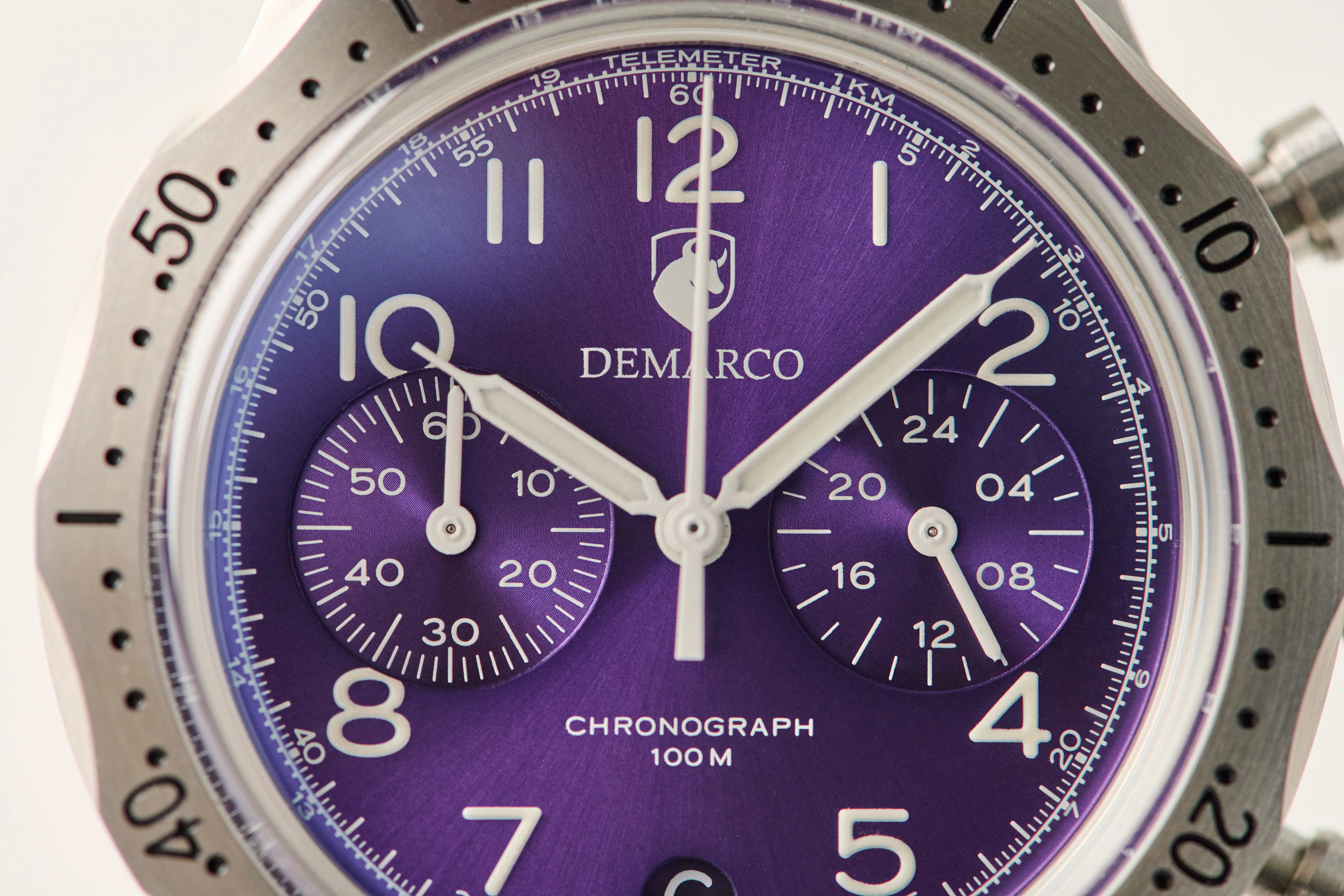
A decade ago, "microbrand watch" meant a small, often unfinished-looking project running on hope and a Kickstarter page. That's changed. Microbrands now regularly out-spec watches costing several times more, and the category has become one of the more interesting corners of the whole watch industry.
What Changed
Manufacturing access is the biggest shift. Movements, cases, sapphire crystal, and ceramic bezel inserts that used to require large minimum orders are now accessible to small operations. A founder with a clear idea and a modest run size can now source the same components as a much bigger brand.
Communities Do the Vetting
Forums like WatchUSeek and watch-focused corners of Reddit act as an informal quality filter. Microbrands with real specs and reliable delivery build a track record in public, while ones that cut corners get called out just as publicly. That transparency is part of why buying from a small brand today is a much lower-risk decision than it used to be.
Crowdfunding Removed the Financial Barrier
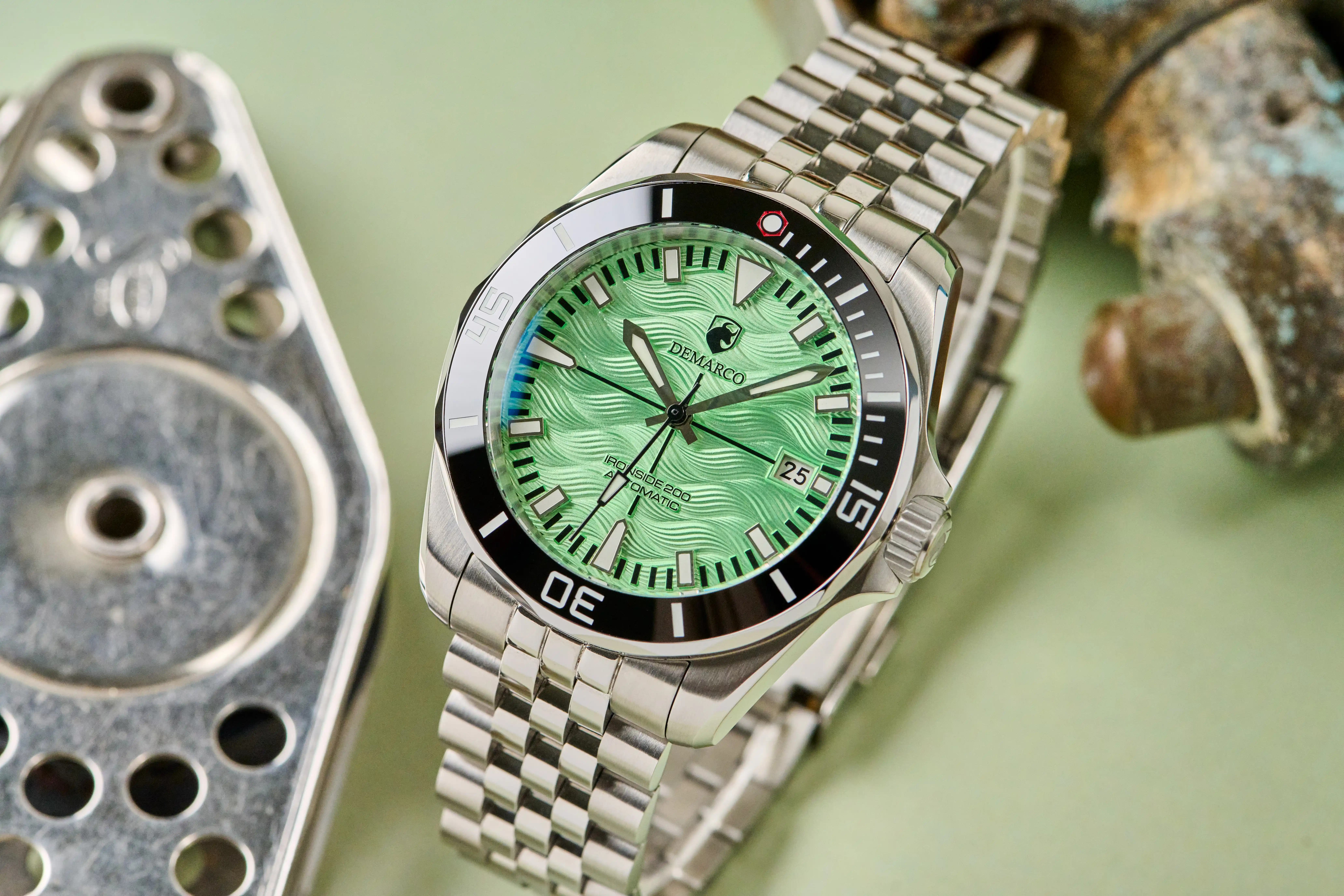
Kickstarter and similar platforms let a brand confirm real demand before committing to a full production run, which is exactly how DeMarco brought the Ironside 200 to market. It's a model that keeps prices honest. You're not paying for unsold warehouse stock or years of brand marketing, just the watch.
Where DeMarco Fits
DeMarco Watch Co. is a straightforward example of the trend: a Boston-based brand producing in small batches, with a Miyota 9015 automatic movement, sapphire crystal, and ceramic bezel on the Ironside 200, priced well below what those specs would cost from a larger brand. It's not a story about a startup finding shortcuts. It's what became possible once the microbrand model matured.

14 DAY RETURNS

FREE GLOBAL SHIPPING
